
Kolejny atak hakerski na projekt krypto! Sprawdź czy z niego korzystasz

Czym jest Microsoft Entra Backup and Recovery?

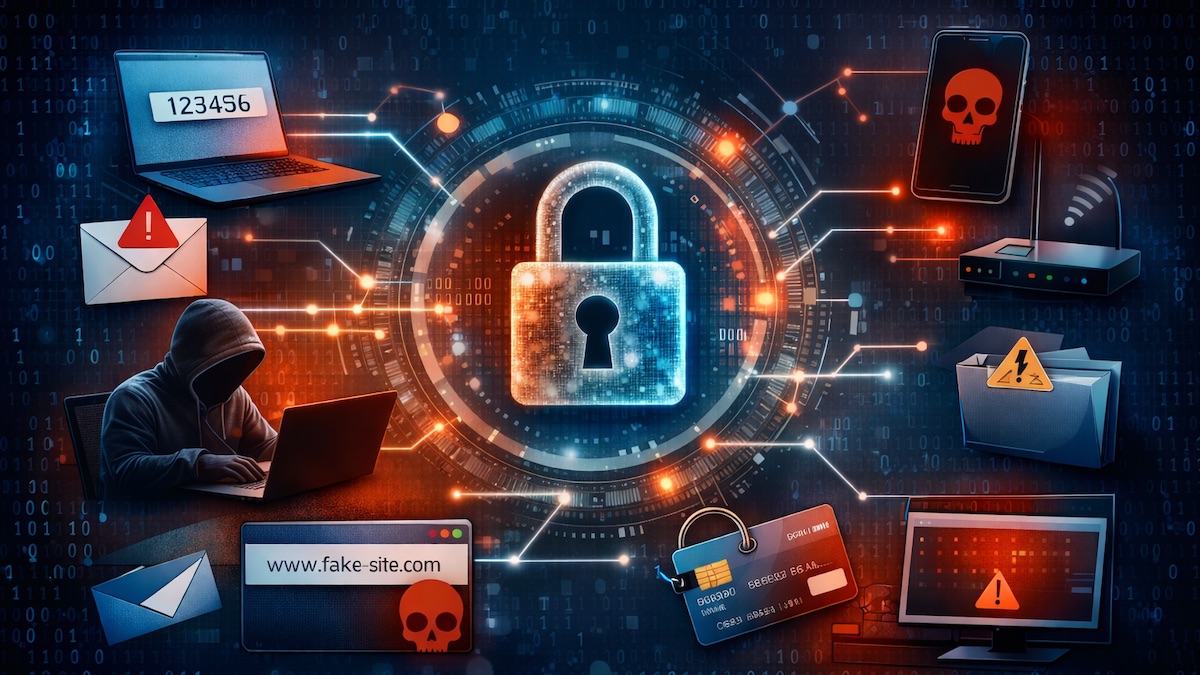
9 rzeczy, które w internecie robisz źle. Te błędy słono kosztują
Laptopy z Windowsem działają lepiej. Microsoft wyjaśnia, co się zmieniło

Arduino 114: Mikrokontroler w Arduino Q cz. 2

CONFidence Uncovered: CONFibadge (VHS - Very High Security)

Podstawą cyberbezpieczeństwa są aktualizacje, nie wolno ich lekceważyć
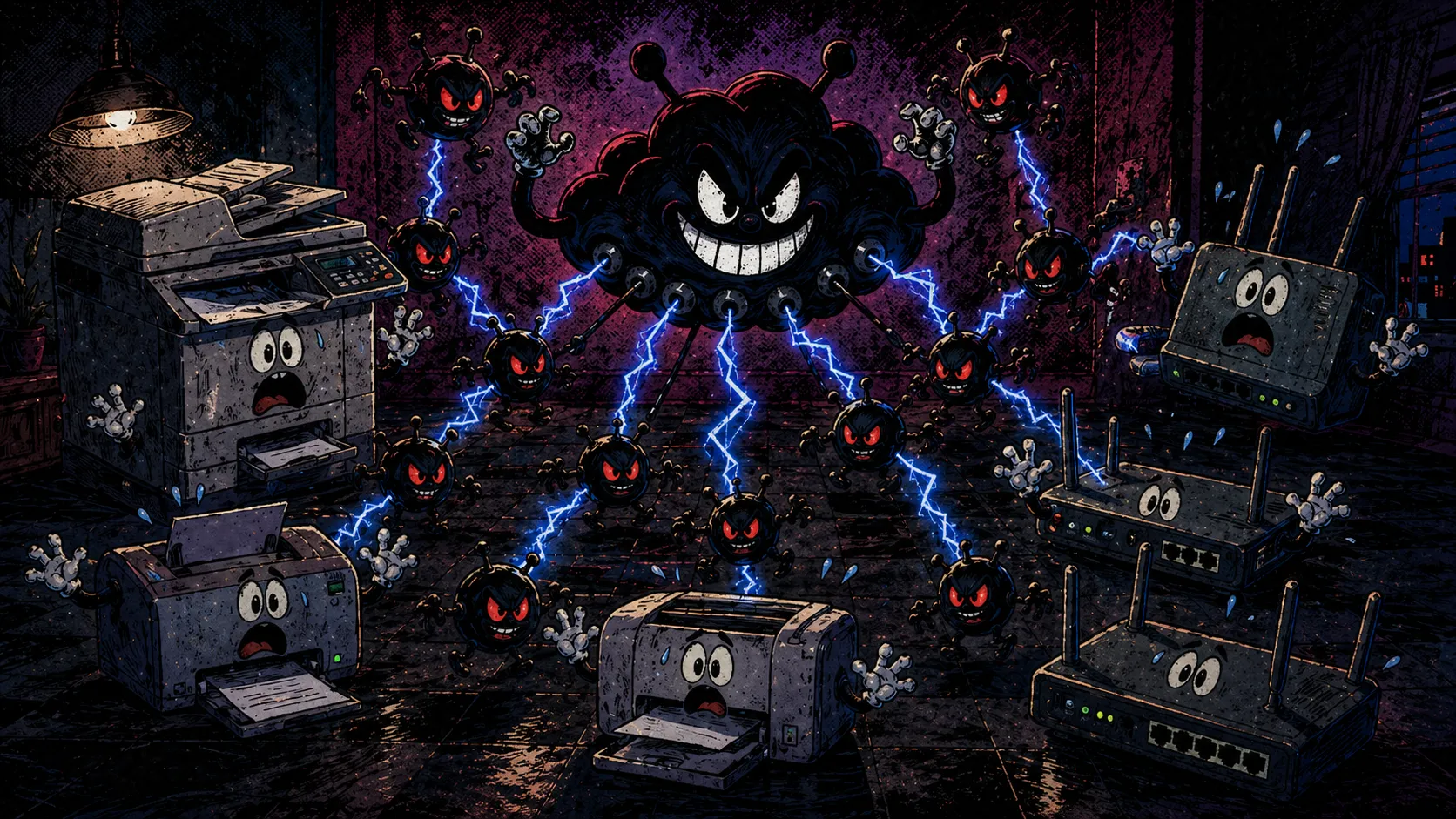
Masjesu – komercyjny botnet wykorzystywany do ataków na urządzenia IoT
SUBSKRYPCJE-PUŁAPKI, ALGORYTM DLA KRÓW, INWIGILACJA JAKO MODEL BIZNESOWY | TYGODNIK PSYLLOSA

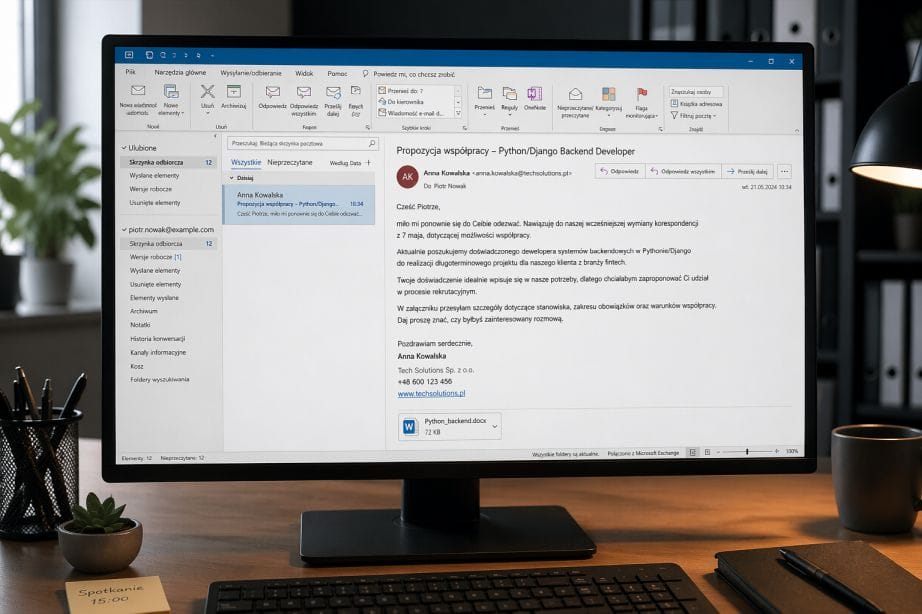
Inżynieria społeczna: Jak hakerzy „hakują” ludzi? Poznaj metody i chroń swoje dane
Wybór redakcji


Popularne
 English (US) ·
  Polish (PL) ·
  Russian (RU) ·
 © Społeczność PAYLOAD 2026. Wszelkie prawa zastrzeżone.